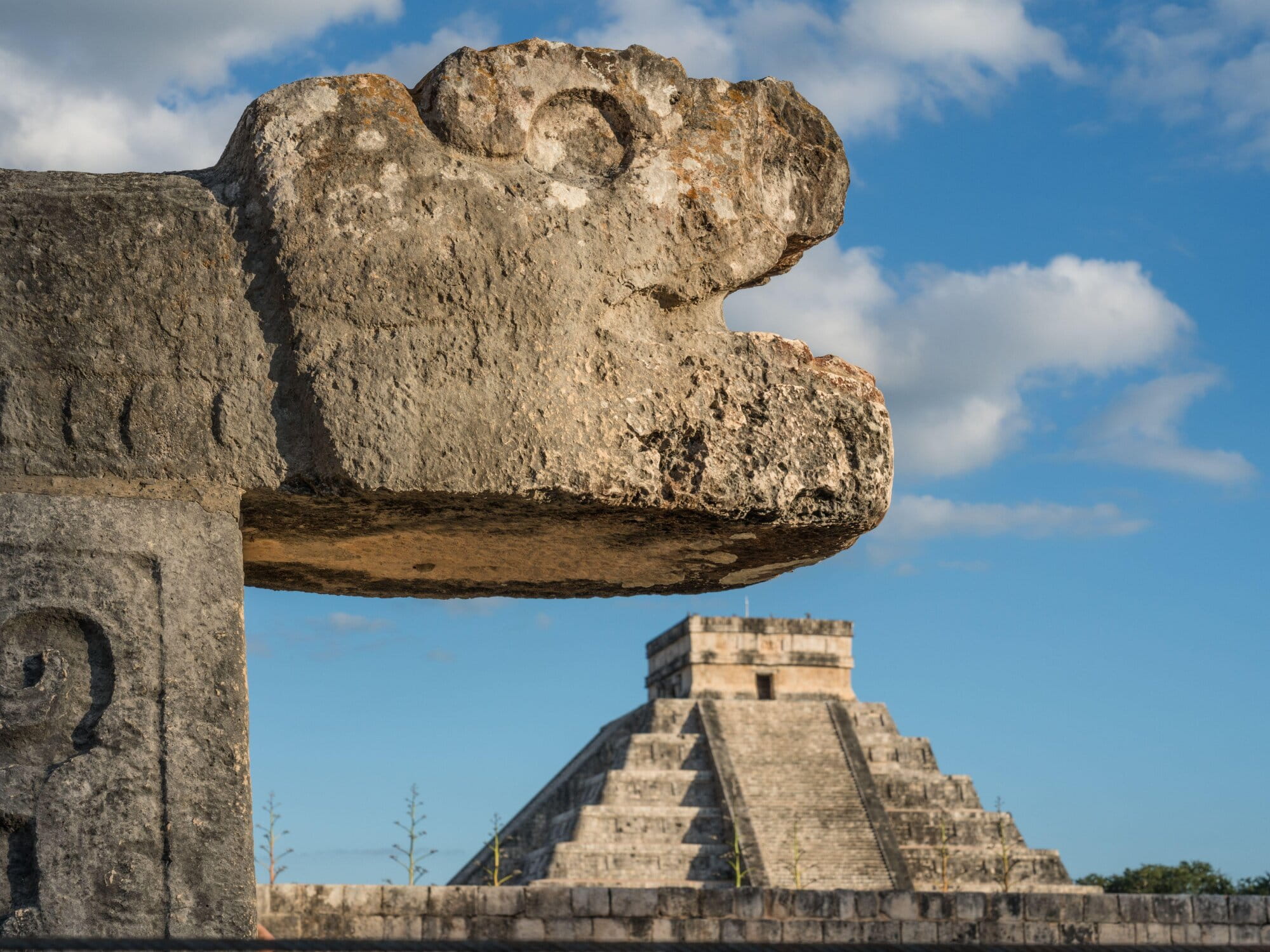
Yucatec Maya is a living language with deep roots in the history of the Yucatán Peninsula. It belongs to the Maya language family and is still spoken by hundreds of thousands of people today. The language is closely connected to a much larger intellectual tradition. Maya scholars developed sophisticated systems for tracking the movements of the Sun, Moon, and Venus, as well as complex calendar systems.
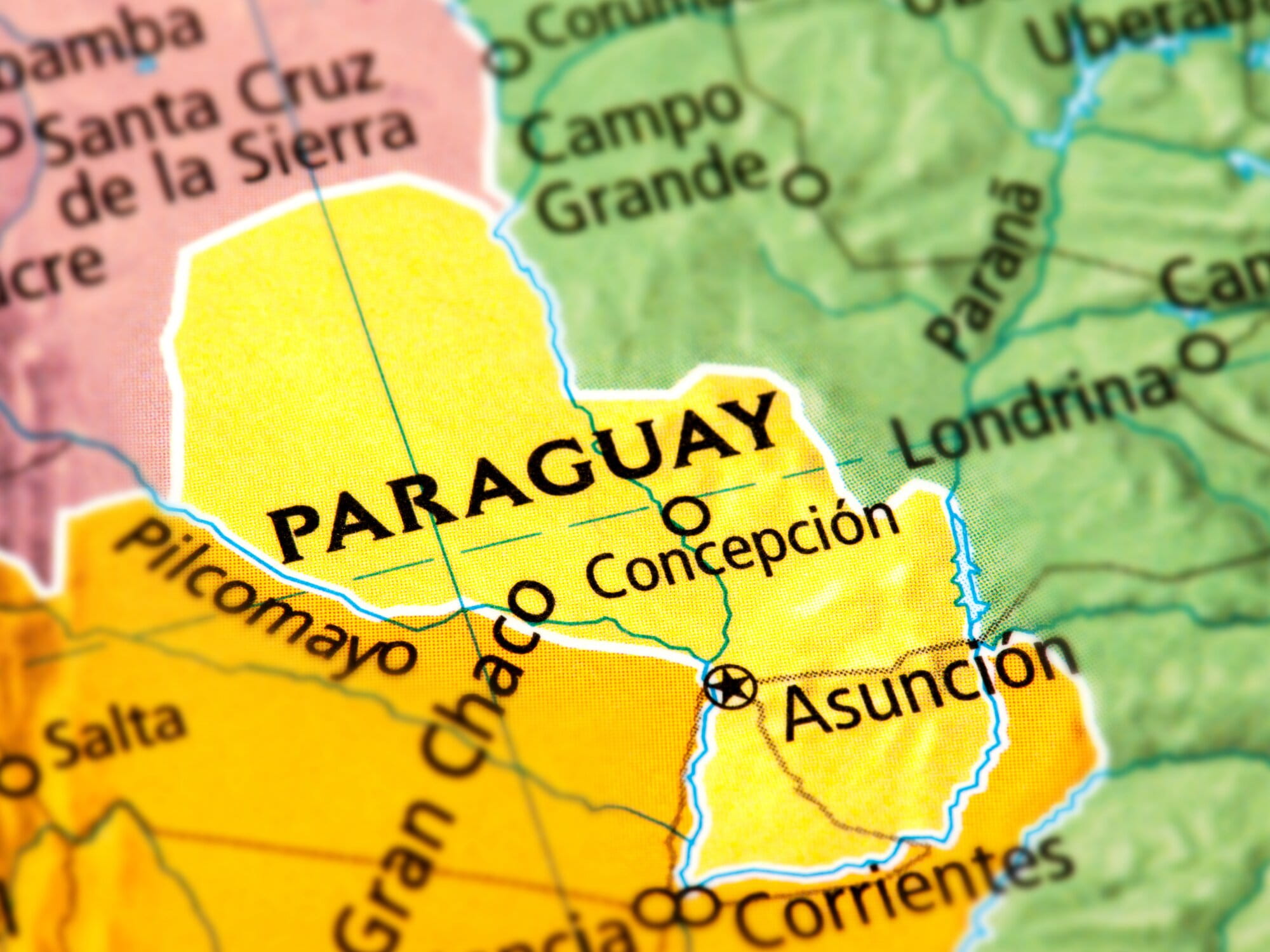
Guaraní in Paraguay is much more than a language with a long history. It is part of everyday life for millions of people and remains closely connected to Paraguayan culture and identity. Paraguay is unusual in South America because an indigenous language is widely spoken across the population, not only within specific indigenous communities.
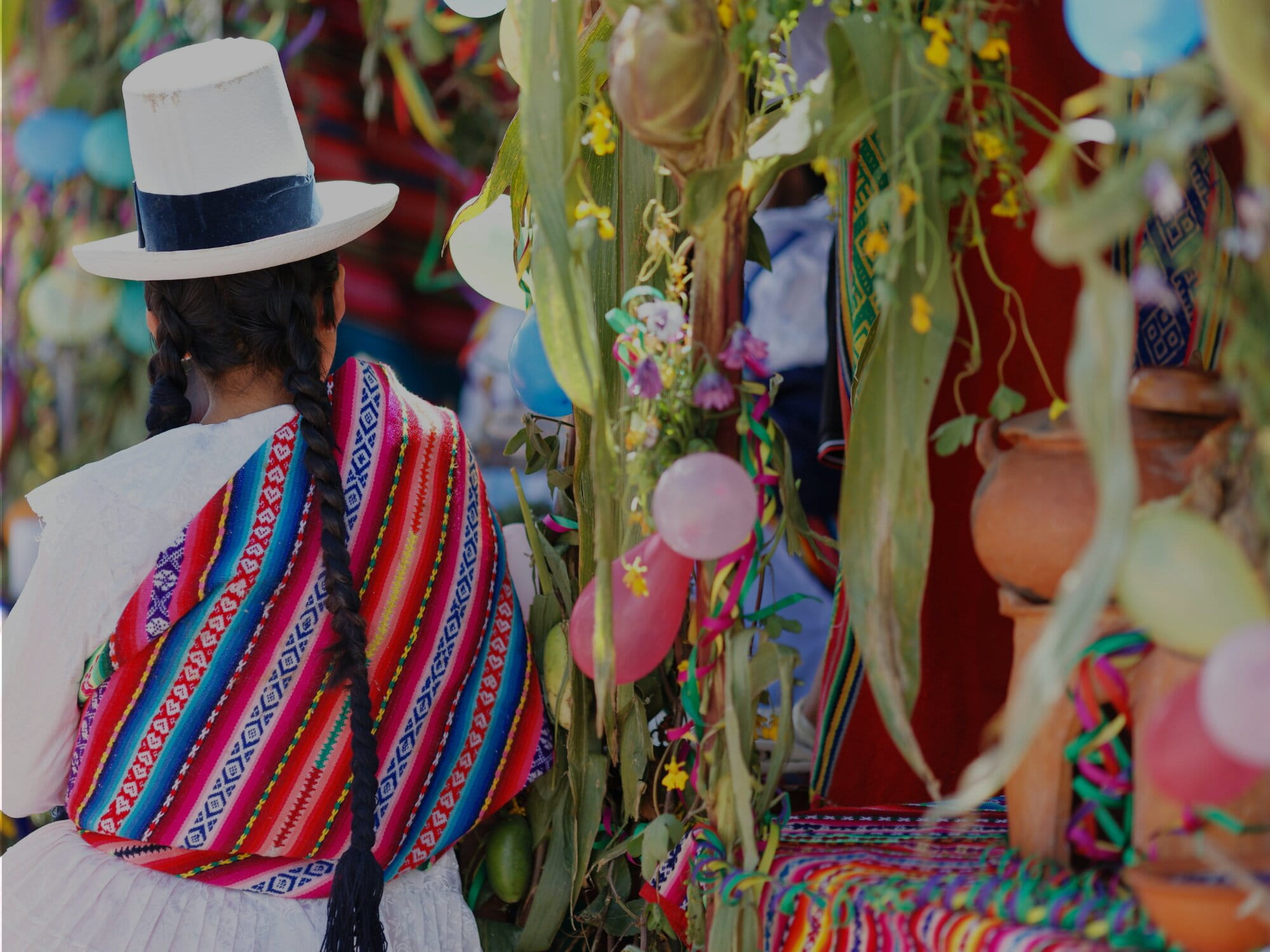
The Quechua language has one of the most remarkable stories in the Americas. Long associated with the Inca Empire, Quechua became an important means of communication across a vast Andean region and remains a living language centuries after the Spanish conquest.
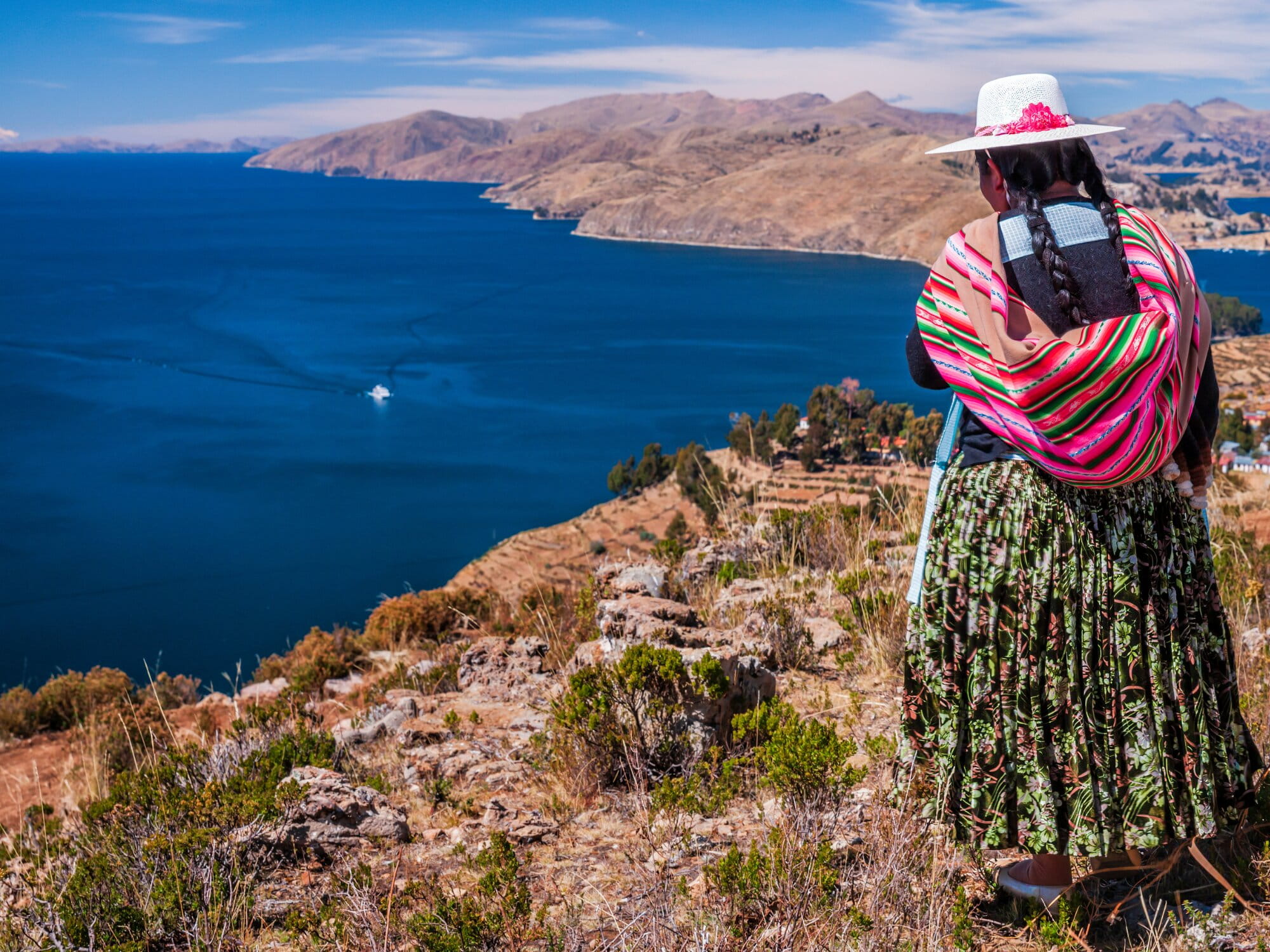
When you think of the Andean region, you may picture towering mountains, vast highland plains, Lake Titicaca, and a rich cultural heritage shaped by centuries of Indigenous traditions. Bolivia, Peru, and northern Chile are home to diverse communities and languages, and among the most important is Aymara.

When people think about Nahuatl, they often picture the ancient Aztec world: magnificent temples, powerful rulers, elaborate ceremonies, and the great city of Tenochtitlan. But Nahuatl is far more than a language of the past. It is a living language spoken in Mexico today, with 1,651,958 speakers recorded in the 2020 Mexican census.
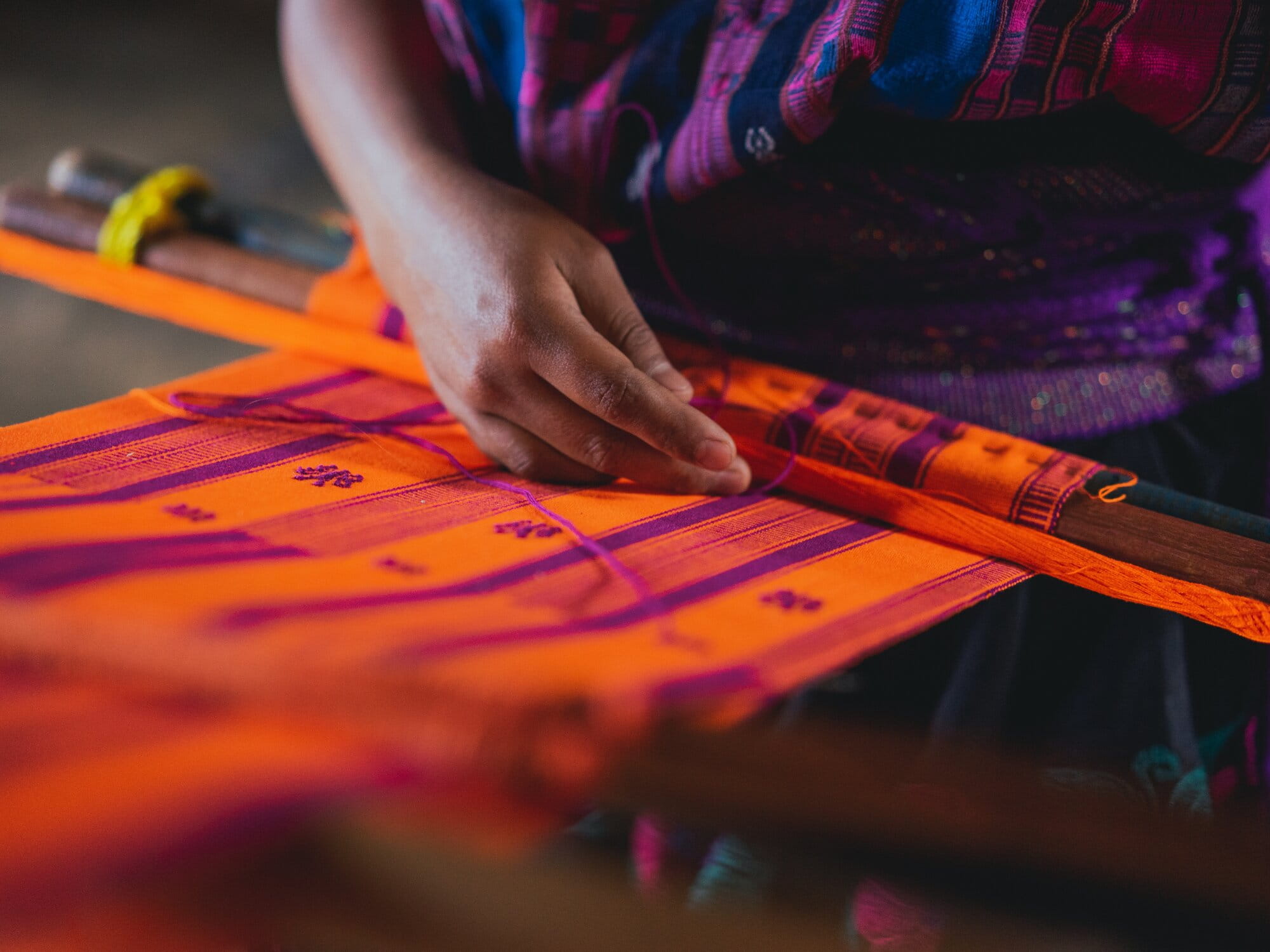
When you think about learning a new language, you probably think of English, Spanish, French, Mandarin, or another widely spoken language. These languages can certainly open doors in your career, travels, and everyday life. But there is another fascinating option that often gets overlooked: learning an indigenous language.

Minority languages are much more than alternative ways of communicating. They carry histories, traditions, knowledge, memories, and identities from one generation to the next. Across the world, thousands of languages are spoken by relatively small communities, and many face increasing pressure from dominant languages used in education, government, business, and media.
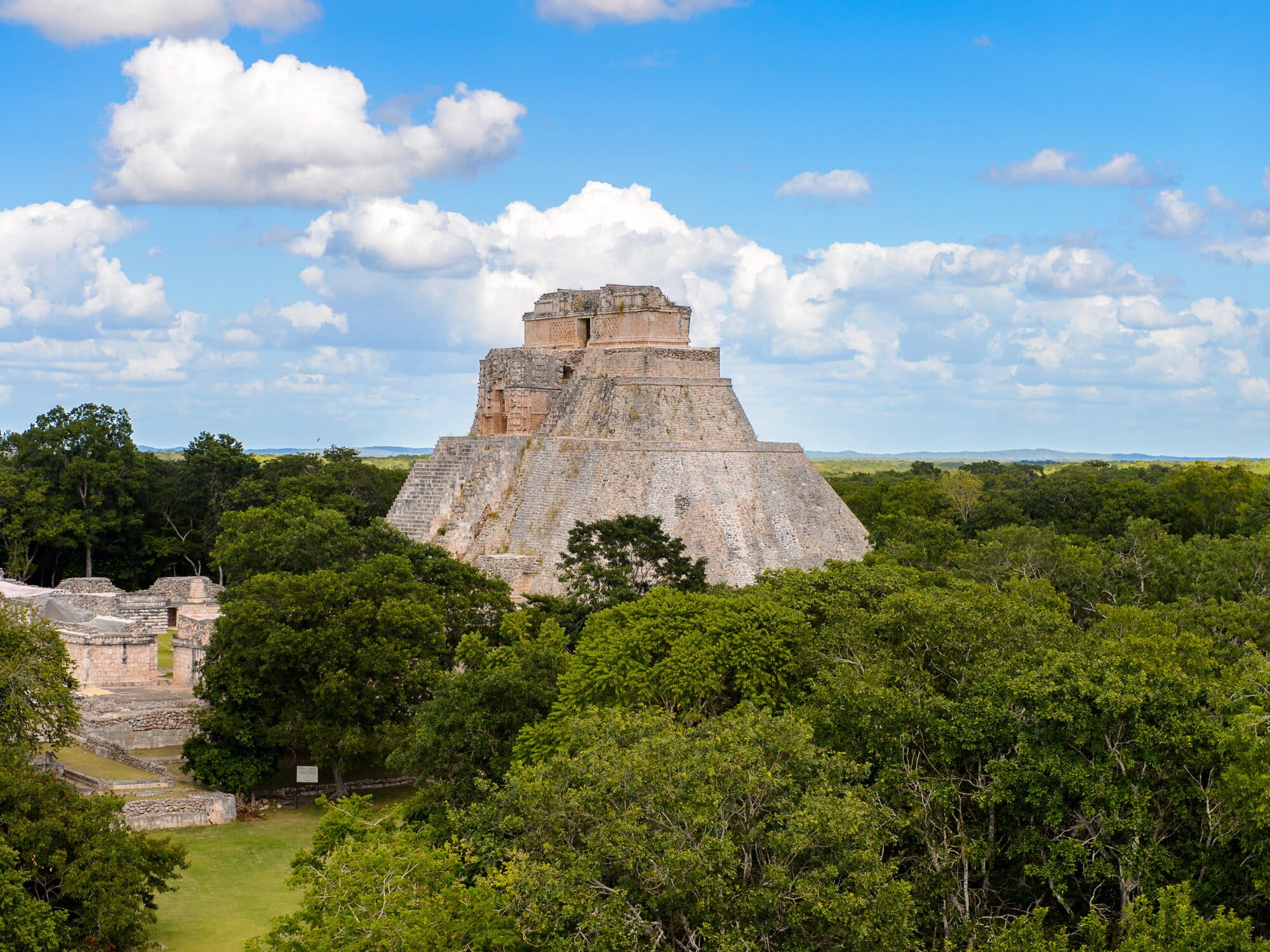
Maybe you know this situation, too. You’re talking to someone you don’t know very well, and at some point they ask, “So, what do you do in your spare time?” You tell them that you enjoy learning languages. So far, so normal. But then you mention that you’re particularly interested in indigenous languages such as Náhuatl or Maya – and suddenly you’re met with a questioning look.

Linguistic diversity is an essential part of humanity's cultural heritage. Indigenous languages, spoken by communities that have often been marginalized or underrepresented, are important carriers of unique worldviews, ecological knowledge, traditions and history. Yet many of these languages are facing an alarming decline and are at risk of disappearing.